
Cultural Heritage and History of Limpopo
Introduction
Limpopo, the northernmost province of South Africa, is a treasure trove of cultural heritage and history. With its diverse ethnic groups, ancient civilizations, and vibrant traditions, Limpopo offers a unique glimpse into the rich tapestry of South African culture. Understanding Limpopo's cultural heritage is not only fascinating but also crucial for preserving the traditions and histories that shape this remarkable region.
Geographical Context
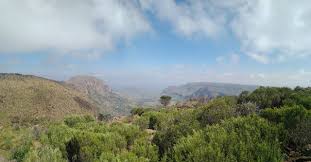
Nestled in the northern part of South Africa, Limpopo is a land of stunning landscapes and diverse ecosystems. The province is bordered by Botswana, Zimbabwe, and Mozambique, making it a cultural crossroads. Limpopo's key natural features, such as the Limpopo River, the Soutpansberg Mountains, and the vast bushveld, have played significant roles in its historical and cultural development.
Ancient Civilizations
Limpopo's history stretches back thousands of years, with evidence of early human settlements. The most notable ancient civilization is the Kingdom of Mapungubwe, which thrived around 1075-1220 AD. Mapungubwe, located at the confluence of the Limpopo and Shashe rivers, was a sophisticated society known for its advanced trade networks and impressive gold artifacts. Today, the Mapungubwe National Park and World Heritage Site preserves the remnants of this ancient kingdom, offering insights into early African civilization.
Colonial Era
The arrival of European settlers in the 19th century marked a significant turning point in Limpopo's history. Colonization brought profound changes to the region, disrupting traditional societies and imposing new economic and social structures. Despite the challenges of this era, many indigenous cultures managed to preserve their customs and traditions, which continue to thrive today.
Indigenous Cultures and Traditions
Limpopo is home to several major ethnic groups, including the Bapedi, Tsonga, and Venda. Each group has its own unique cultural practices and ceremonies. The Bapedi, for example, are known for their vibrant traditional dances and music, while the Tsonga people celebrate the Marula Festival, a harvest festival centered around the marula fruit. The Venda are renowned for their rich oral traditions and artistic expressions, particularly in pottery and wood carving.
Historical Landmarks
Limpopo boasts numerous historical landmarks that offer a window into its past. The Mapungubwe National Park is a must-visit, showcasing the archaeological treasures of the ancient Mapungubwe Kingdom. The Makapansgat Valley is another significant site, with its rich fossil deposits and evidence of early human habitation. The Soutpansberg Mountains, with their rugged beauty, have been a cultural and historical touchstone for the people of Limpopo for centuries.
Cultural Festivals and Events
Limpopo's cultural calendar is filled with vibrant festivals and events. The Marula Festival, held annually in Phalaborwa, celebrates the harvest of the marula fruit with traditional music, dance, and feasting. The Venda Annual Dance Festival is another highlight, showcasing the rhythmic and energetic dance forms of the Venda people. These festivals not only provide entertainment but also play a crucial role in preserving and promoting Limpopo's cultural heritage.
Traditional Crafts and Artistry
Limpopo is renowned for its traditional crafts, which are an integral part of its cultural identity. Pottery and beadwork are particularly prominent, with artisans creating intricate designs that reflect their cultural heritage. Wood carving and basket weaving are also popular, with craftsmen producing beautiful and functional items that are sought after both locally and internationally. These traditional crafts are not only artistic expressions but also a means of preserving cultural knowledge and skills.
Linguistic Diversity
Limpopo is a linguistically diverse province, with several major languages spoken, including Sepedi, Xitsonga, and Tshivenda. Each language carries its own cultural significance and heritage. Efforts to preserve these indigenous languages are crucial, as language is a key component of cultural identity. Local schools and cultural organizations play a vital role in promoting and maintaining linguistic diversity in the region.
Music and Dance
Music and dance are central to Limpopo's cultural heritage. Traditional musical instruments, such as the kudu horn and the marimba, are used in various ceremonies and celebrations. Popular dance forms, like the Bapedi's kiba dance and the Tsonga's xibelani dance, are characterized by their rhythmic movements and vibrant costumes. These cultural expressions are not only a source of entertainment but also a means of passing down traditions and stories from one generation to the next.
Cuisine and Culinary Heritage
Limpopo's culinary heritage is a delightful blend of flavors and traditions. Traditional dishes such as biltong (dried meat), pap (maize porridge), and morogo (wild spinach) are staples in many households. The influence of various cultures, including indigenous and colonial, is evident in the diverse range of foods available. Culinary traditions are passed down through generations, with many recipes reflecting the province's rich cultural tapestry.
Modern Cultural Expressions
While traditional culture remains strong, Limpopo is also embracing modern cultural expressions. Contemporary art, literature, and music are flourishing, with local artists gaining recognition both nationally and internationally. Urbanization and globalization are influencing cultural practices, leading to a dynamic blend of old and new. Despite these changes, there is a strong emphasis on maintaining a connection to traditional roots.
Museums and Cultural Centers
Limpopo's museums and cultural centers are vital in preserving and showcasing the province's cultural heritage. The Polokwane Art Museum features a diverse collection of contemporary South African art, while the Bakone Malapa Northern Sotho Open-Air Museum offers a glimpse into the traditional lifestyle of the Northern Sotho people. These institutions provide educational resources and serve as cultural hubs for both locals and visitors.
Conservation and Preservation Efforts
Efforts to conserve and preserve Limpopo's cultural heritage are ongoing. Local and international organizations are working together to protect historical sites, support traditional crafts, and promote cultural education. These initiatives are essential for ensuring that future generations can appreciate and learn from the rich cultural heritage of Limpopo. Community involvement and support are crucial for the success of these efforts, as preserving culture is a collective responsibility.
Conclusion
Limpopo's cultural heritage and history are a testament to the resilience and creativity of its people. From ancient civilizations to modern cultural expressions, the province's rich tapestry of traditions and practices is a source of pride and identity. Preserving this heritage is vital for future generations, ensuring that the stories, knowledge, and skills of the past continue to inspire and enrich the present and future.